What Are the Differences Between Down-Acting and Up-Acting Press Brakes?
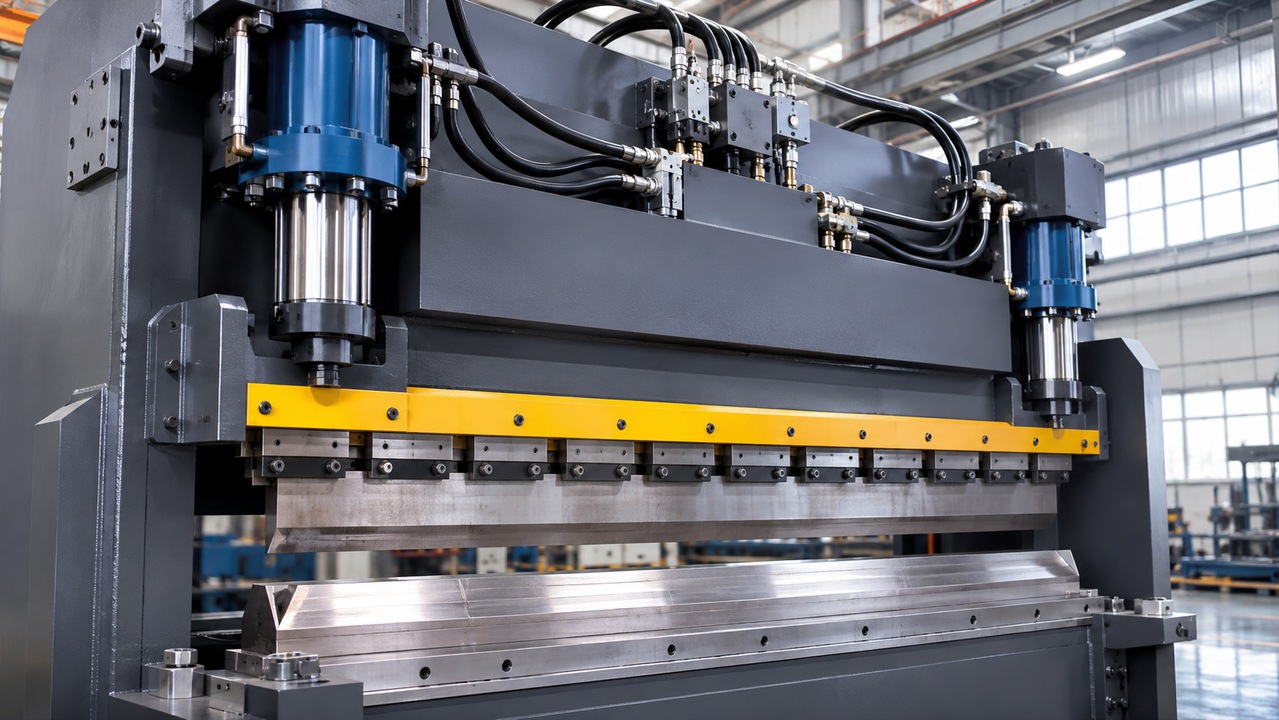
When evaluating press brakes for metal forming, the choice between down-acting and up-acting mechanisms significantly affects performance and application suitability. These two types of press brake machines operate on opposing mechanical principles, influencing how force is applied during bending processes. Identifying the differences between down-acting and up-acting press brakes is essential for manufacturers and technicians aiming to optimize production efficiency and part quality.
This article provides an in-depth analytical breakdown of these two press brake types. We explore their mechanical designs, operational characteristics, and practical implications, offering insight into which applications each is best suited for. By the end, readers will have a clear understanding of what are the differences between down-acting and up-acting press brakes and how these distinctions impact sheet metal fabrication.
Mechanical Principles Defining Down-Acting and Up-Acting Press Brakes
Core Operating Mechanism of Down-Acting Press Brakes
Down-acting press brakes function with the ram or upper beam moving downward to press the sheet metal against a fixed lower die. This design mimics the natural motion of pressing or stamping, where gravity assists in the downward force application. The upper tool's downward movement generates the bending action, which is often more intuitive for operators and aligns with traditional press brake configurations. Look at this website to discover a useful content on press brake.
Because the force originates from above, the machine frame must be robust enough to withstand significant compressive loads. This structural demand often leads to larger and heavier machines optimized for heavy-duty industrial tasks. The down-acting mechanism remains prevalent in many hydraulic and mechanical press brake machines used across various industries.
Fundamentals of Up-Acting Press Brakes
Contrastingly, up-acting press brakes feature a fixed upper beam while the lower beam or ram moves upward to perform the bending operation. This reversal means the workpiece is pushed upward into the stationary upper die, which requires precise synchronization to avoid misalignment during bending. The up-acting design is less common but offers unique advantages in specific scenarios.
The up-acting mechanism often results in reduced frame stress because the main mechanical forces act differently compared to down-acting designs. This configuration can lead to more compact machine footprints and potentially better visibility of the work area for the operator. However, it demands careful control of the upward movement to maintain bending accuracy and safety.
Impact of Mechanical Differences on Machine Design
The distinction in ram movement between down-acting and up-acting press brake machines fundamentally influences their structural design and maintenance requirements. Down-acting machines usually feature more rigid frames to handle the downward force, while up-acting machines can incorporate lighter frames but require precise alignment mechanisms. These design variations affect the machines' durability and operating costs over time.
Moreover, the placement of the hydraulic or mechanical drive systems varies, affecting accessibility and ease of repair. For example, hydraulic press brake machines with down-acting rams often have simpler fluid pathways, whereas up-acting machines may involve more complex linkages or cylinder arrangements. Such engineering choices contribute to the operational nuances that distinguish these two press brake types.
What Are the Differences Between Down-Acting and Up-Acting Press Brakes? in Practical Performance
Force Distribution and Bending Accuracy
The direction of force application directly impacts the precision and consistency of bends in sheet metal. Down-acting press brakes apply force from the top, which generally provides stable and predictable bending characteristics. This stability is beneficial when working with thick or high-strength materials that require substantial bending force.
In contrast, up-acting press brakes apply force from below, which can introduce slight variations in how the sheet metal contacts the die. This configuration demands advanced control systems to ensure repeatable bending accuracy. However, when properly calibrated, up-acting machines can deliver comparable precision, especially in light to medium gauge applications.
Operator Visibility and Accessibility
Down-acting machines sometimes limit the operator’s direct view of the bending area due to the downward-moving ram obstructing the line of sight. This limitation can affect manual positioning and inspection during bending, potentially slowing workflow. Safety measures must be strictly enforced to prevent accidents caused by limited visibility.
Up-acting press brakes offer enhanced visibility because the upper die remains fixed and the ram moves upward, allowing operators a clearer view of the workpiece throughout the bending cycle. This advantage facilitates more accurate manual adjustments and quicker setup times, which can improve overall productivity in certain fabrication environments.
Workpiece Support and Material Handling
Supporting the sheet metal during bending differs significantly between these press brake types. Down-acting machines rely on bottom die supports to hold the workpiece steady as the ram pushes down. This setup works effectively for most standard bending tasks but may require additional tooling for complex geometries.
Up-acting machines push the material upward against the fixed upper die, often necessitating specialized support systems to prevent slippage or deformation. This necessity can increase tooling complexity but offers benefits for bending delicate or irregularly shaped parts where upward force reduces the risk of surface damage.
The choice between down-acting and up-acting press brakes should consider these operational factors to match the machine’s performance with the intended production requirements.
Applications and Industry Suitability of Down-Acting vs. Up-Acting Press Brakes
Industries Favoring Down-Acting Press Brakes
Down-acting press brakes dominate in industries requiring high-force bending operations, such as automotive manufacturing, heavy equipment production, and structural steel fabrication. Their robust design accommodates thick metals and repetitive, high-load cycles. The familiarity of the downward ram motion also aligns with traditional operator training and workflow standards.
Furthermore, many hydraulic press brake machines available for sale fall into the down-acting category due to their versatility and relatively straightforward maintenance. Their widespread adoption makes sourcing parts and service more accessible, which is a critical consideration for large-scale manufacturing facilities.
Manufacturers needing consistent, high-volume output often prefer down-acting press brakes because the machines excel at handling standard bending tasks with minimal downtime.
Specialized Uses for Up-Acting Press Brakes
Up-acting press brakes find niche applications where enhanced operator visibility and delicate material handling are priorities, such as in aerospace component fabrication and precision metal forming shops. The upward bending action minimizes the risk of surface scratches and distortion, making these machines suitable for fine sheet metals and high-precision parts.
Additionally, their compact design suits facilities with limited floor space or those integrating automated handling systems. Although less common, up-acting models can be customized by press brake manufacturers to fit specialized production workflows requiring nuanced bending control.
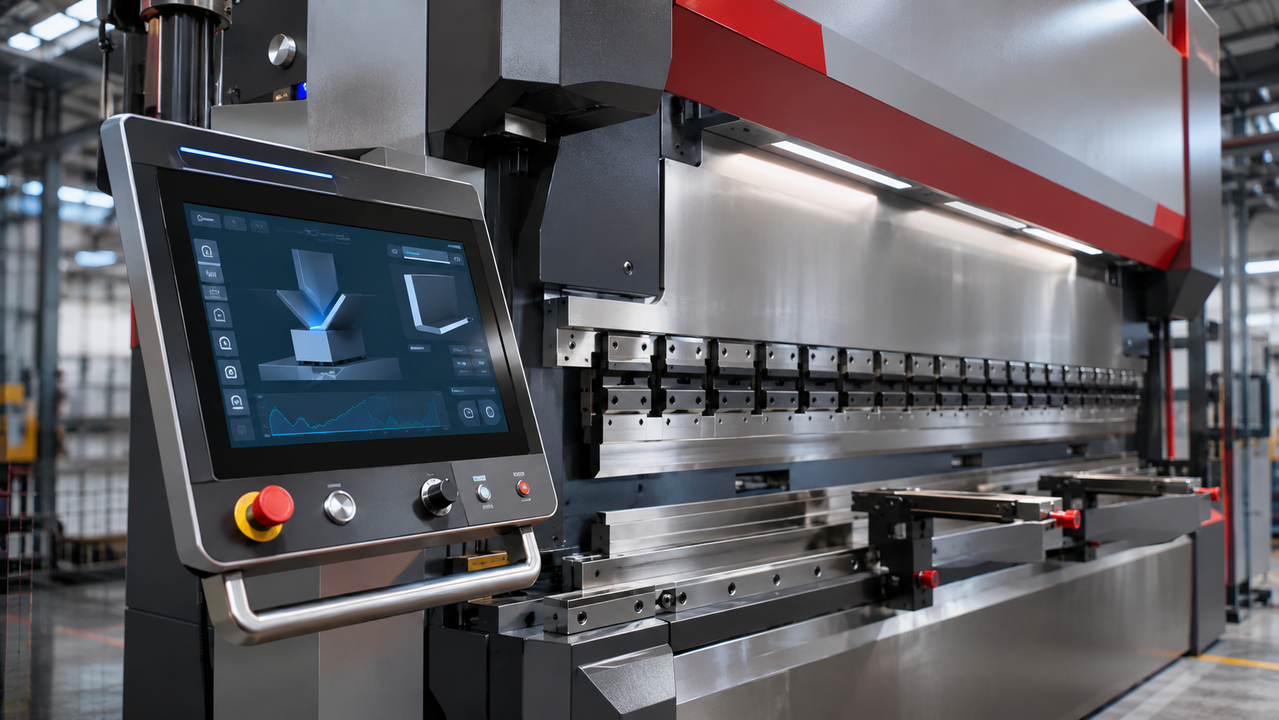
These machines also support innovative bending processes that benefit from the unique force direction, enhancing flexibility in complex part designs.
Selecting the Right Machine Based on Production Needs
Choosing between down-acting and up-acting press brakes requires a thorough assessment of material types, production volumes, and operational priorities. Facilities focused on heavy-duty fabrication will lean toward down-acting machines, which offer durability and raw power. Conversely, shops emphasizing precision and surface quality may find up-acting press brakes more suitable.
Consultation with a reputable press brake manufacturer ensures that the selected machine matches the specific bending force calculations and tooling demands of the production line. This alignment reduces the risk of errors and enhances overall manufacturing efficiency.
Safety and Maintenance Considerations for Down-Acting and Up-Acting Press Brakes
Machine Guarding and Operator Protection
Both down-acting and up-acting press brakes require rigorous safety protocols to protect operators from crushing hazards. Down-acting machines pose risks due to the ram's downward movement, necessitating robust guarding systems and emergency stop mechanisms. Compliance with industrial machine safeguarding standards is critical to prevent accidents during high-force operations.
Up-acting press brakes present different safety challenges; the upward-moving ram can catch operators off guard if proper safeguards are absent. Clear visibility helps reduce some risks, but interlocks and presence-sensing devices remain essential. Safety training tailored to the specific press brake type enhances workplace protection.
Maintenance Demands Based on Mechanical Differences
Down-acting press brakes generally require frequent inspection of the upper ram and its guides due to the significant compressive forces exerted during operation. Hydraulic systems must be routinely checked to maintain consistent pressure and avoid leaks. The heavier frame components may also need regular lubrication and alignment verification.
Up-acting machines have different wear patterns, often focusing on the lower ram and drive mechanisms. Precise control components demand calibration to maintain bending accuracy, increasing the importance of preventive maintenance. Despite differing focal points, both press brake types benefit from structured maintenance schedules to ensure longevity.
Operators should collaborate with maintenance teams to implement best practices tailored to the chosen press brake model, thereby minimizing downtime and extending machine life.
Evaluating the Long-Term Impact of Choosing Down-Acting or Up-Acting Press Brakes
Assessing what are the differences between down-acting and up-acting press brakes reveals that the decision influences not only immediate manufacturing outcomes but also long-term operational strategy. Down-acting machines offer proven reliability for heavy and repetitive tasks, supporting sustained high-volume production with manageable maintenance costs. Their widespread use ensures availability of parts and service expertise for the foreseeable future.
Conversely, up-acting press brakes provide advantages in precision and operator ergonomics, which can translate into higher quality output and reduced material waste over time. These benefits may justify the initial investment and specialized maintenance requirements for facilities prioritizing advanced metal forming technology. Industry shifts toward automation and customization could increase the relevance of up-acting designs in select sectors.
Ultimately, integrating a press brake machine that aligns with specific production goals and material handling needs will maximize efficiency and competitive advantage. Manufacturers weighing these options should consider the full scope of operational, safety, and maintenance factors alongside the mechanical distinctions to make an informed choice.
For those seeking reliable machinery options, consulting a trusted press brake machine supplier can facilitate access to models best suited for intended applications. Additionally, staying informed about advancements in metal forming technology supports continual improvement in fabrication quality and workplace safety.
SC SHENCHONG
Wuxi Shenchong Forging Machine Co., Ltd
Tianshun Road, Yangshan Industrial Park, Wuxi, Jiangsu, China 214156
+86-158-9507-5134


Comments
Post a Comment